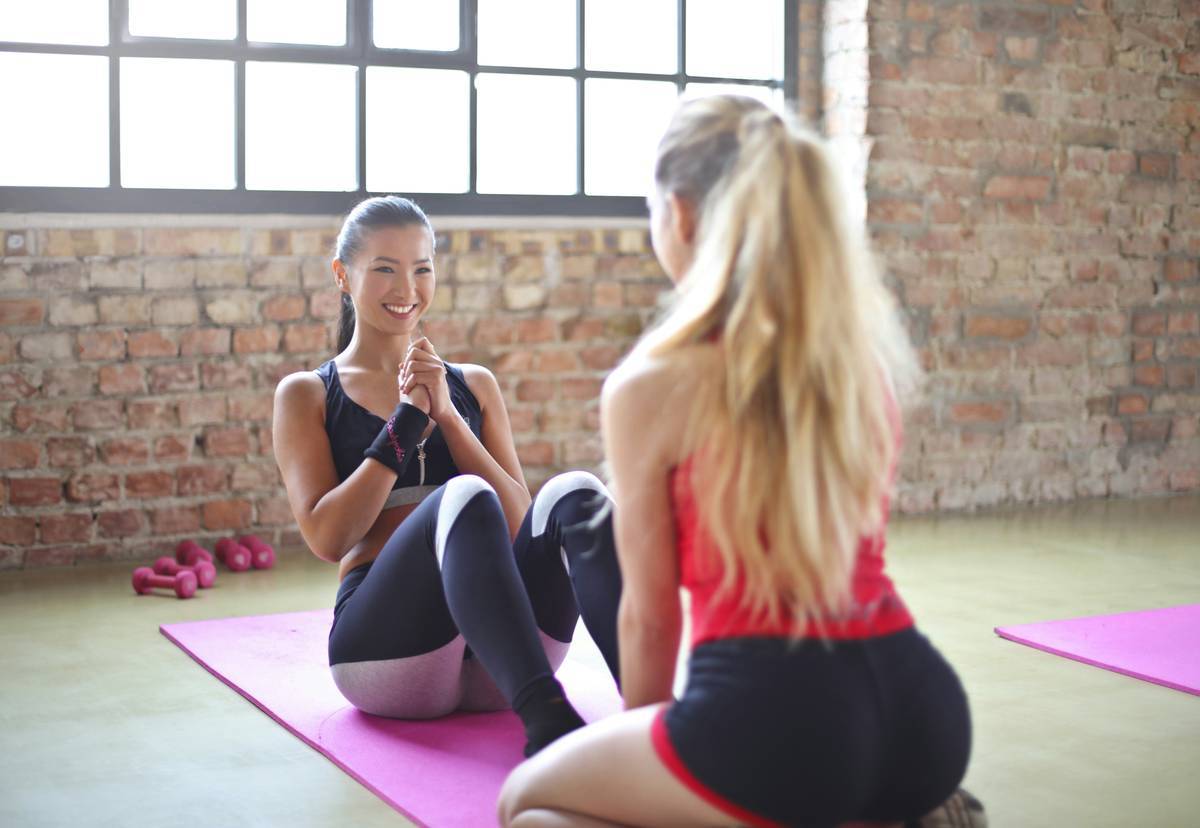
You’re lifting weights, grinding reps—but your core still feels hollow. Frustrating, right? You’ve built size, yet stability lags. Power without control is just noise. What if the missing piece isn’t heavier loads—but smarter tension? Enter Pilates. Not as a “gentle stretch class,” but as a potent, underutilized strength modality. And yes—is pilates good for strength training? Absolutely—if you know how to weaponize it.
Why Traditional Strength Programs Ignore Core Integration (And Fail)
Most gym routines treat the core like an afterthought—tacked-on crunches or planks at the end of leg day. Big mistake. True strength isn’t just muscle mass; it’s neuromuscular coordination. It’s force transfer from hips to shoulders without energy leaks. Standard programs build isolated power but neglect the linkage. Result? Imbalances, plateaus, and frustrating lower-back tweaks during deadlifts.
Pilates flips the script. It trains deep stabilizers—the transverse abdominis, multifidus, pelvic floor—not just the rectus abdominis everyone chases for six-packs. That’s why athletes in climbing, rowing, even golf secretly use Pilates. They’re not chasing aesthetics. They’re chasing efficiency.
Is Pilates Good for Strength Training? A Tactical Implementation Guide
Stop doing 100-rep teaser variations with zero resistance. Real Pilates-based strength follows three non-negotiables: precision, progression, and proprioception. Here’s how to structure it:
Start With Foundational Control—Not Load
Forget adding springs on Day 1. Master bodyweight alignment first. Can you hold a neutral spine while lifting one leg off the mat? If not, external load will only reinforce dysfunction. Spend 2–3 weeks drilling pelvic clocks, ribcage breathing, and single-leg stretches with zero momentum.
Progress Through Tension, Not Just Weight
Pilates strength grows via sustained muscular engagement—not explosive reps. A 90-second “Hundred” with perfect form builds more functional endurance than 10 sloppy sets. Use tempo: 4 seconds eccentric, 2-second hold, 1-second concentric. That’s where real neural adaptation happens.
Integrate Equipment Strategically
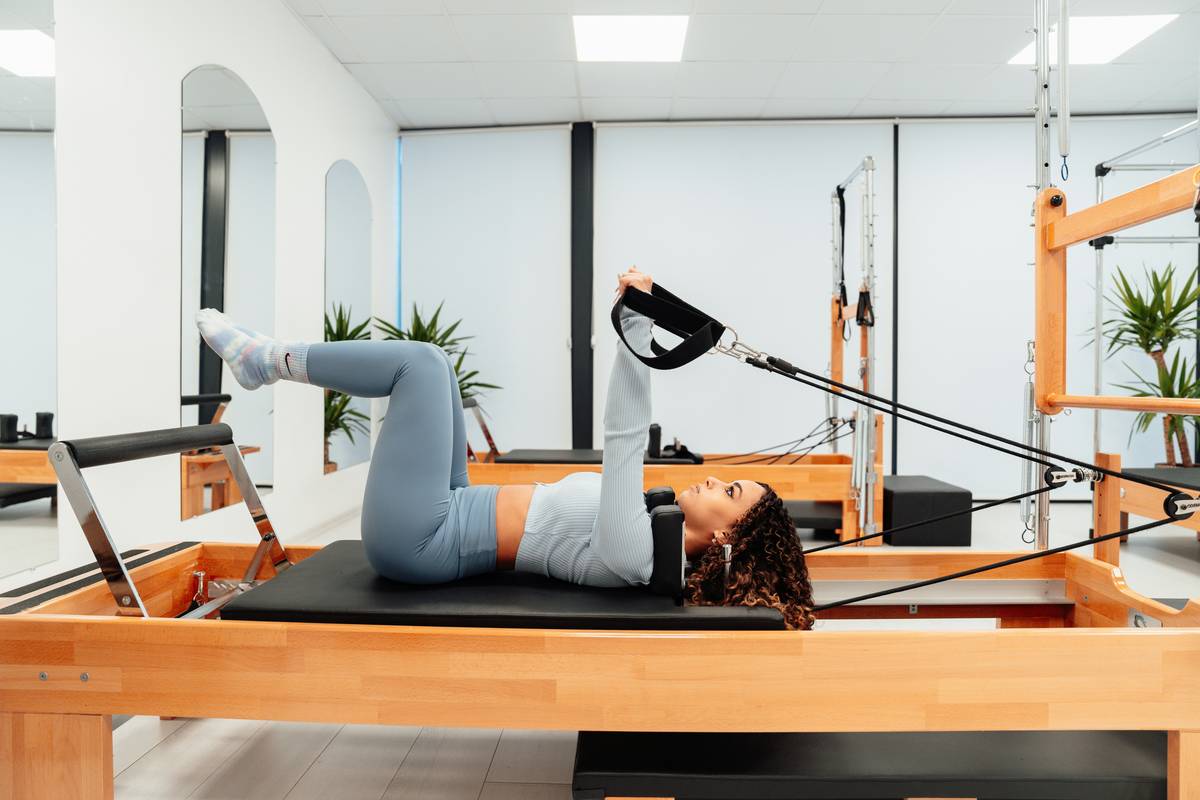
The Reformer isn’t magic—it’s a tension dial. Start light. Focus on maintaining pelvic stability while resisting spring pull during footwork or long stretches. Gradually increase spring tension only when form holds rock-solid for 3+ sessions.
| Method | Primary Strength Target | Time to Noticeable Gains | Joint Impact |
|---|---|---|---|
| Traditional Weightlifting | Global prime movers (quads, lats, pecs) | 4–6 weeks | Moderate to high |
| Pilates (Mat-Based) | Deep core stabilizers + postural muscles | 3–5 weeks | Very low |
| Pilates (Reformer) | Full-chain integration + eccentric control | 2–4 weeks | Low |
The Industry Secret: Pilates Builds “Covert Strength”
Here’s what studios won’t advertise: Pilates develops what I call “covert strength”—the kind that doesn’t show on a scale or tape measure but dominates real-world movement. Ever notice how elite trail runners or rock climbers have wiry, controlled physiques? No bulk. All resilience. That’s Pilates-type strength.
But there’s a catch. Most online classes skip the hardest part: resistance calibration. On a Reformer, too much spring = cheating via momentum. Too little = no stimulus. The sweet spot? Springs set so your pelvis trembles slightly by rep 8—but doesn’t shift. That micro-instability forces deep fibers to fire. That’s the gold.
And don’t sleep on unilateral work. Single-arm Reformer rows while holding a plank? That’s anti-rotation strength most lifters never touch. It’s not about how much you move—it’s about how little you wobble while doing it.
Frequently Asked Questions
Can Pilates replace weight training?
No—but it complements it brilliantly. Use Pilates for core prep/post-activation; lift for maximal power. Combine both for bulletproof performance.
How often should I do Pilates for strength gains?
2–3 times weekly, ideally before lifting sessions or on active recovery days. Consistency beats volume—15 focused minutes daily trumps one lazy hour weekly.
Will Pilates make me bulky?
Not a chance. Pilates emphasizes elongation and endurance, not hypertrophy. You’ll get leaner, tighter, and more agile—not bigger.