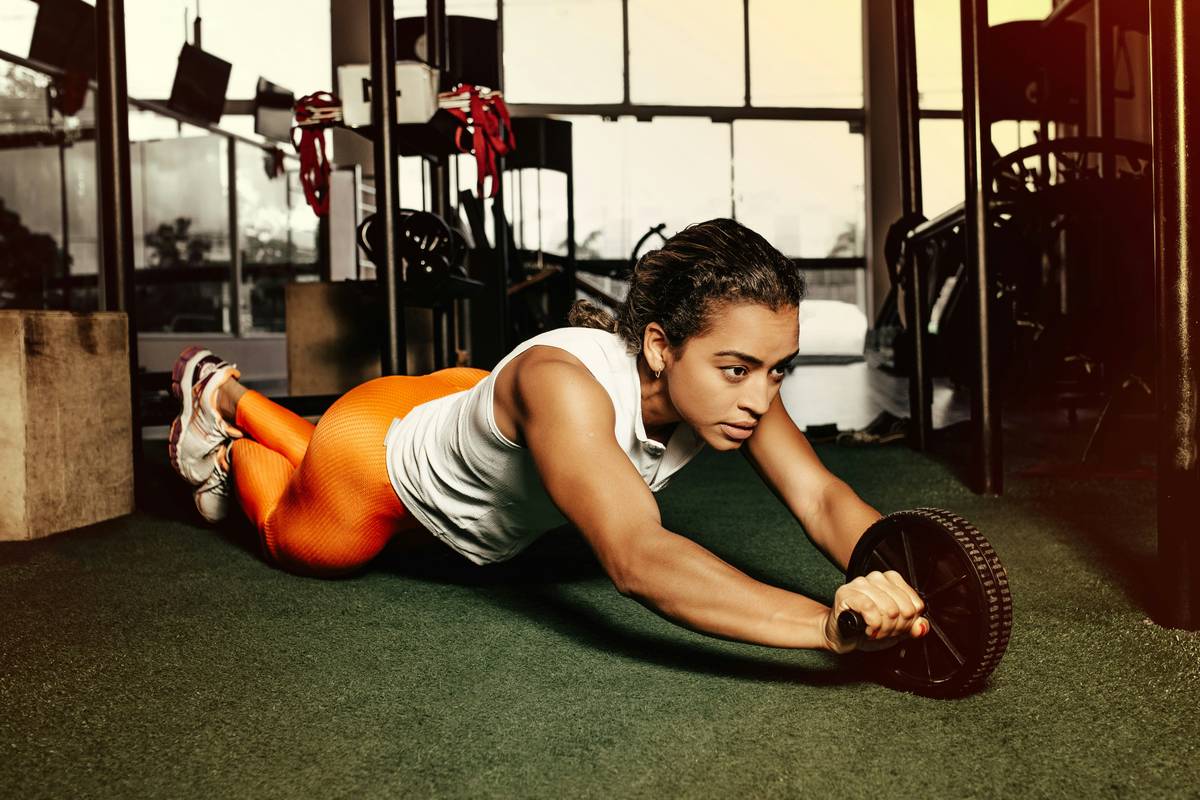
You’ve done crunches until your abs screamed. Planks left your shoulders shaking. Yet your core still feels like wet cardboard during hikes, lifts, or even just standing up straight. That’s because most “core workouts” train isolated muscles—not the integrated system that actually stabilizes your body. Pilates enhanced core strength isn’t just another fitness trend. It’s a biomechanical reset.
Why Crunches and Gadgets Fail Your Core
Traditional ab routines target rectus abdominis—the six-pack muscle—like it’s the entire core. It’s not. Your core includes transverse abdominis, pelvic floor, diaphragm, multifidus, even glutes. Miss one link, and the chain snaps under real-world load.
And those vibrating belts or EMS suits? They create surface tension, not deep neuromuscular control. You might feel sore—but soreness isn’t strength. Stability is.
Think about it: if your transverse abdominis doesn’t fire before you lift a grocery bag, your spine takes the hit. No amount of crunches fixes that timing gap.
Pilates Enhanced Core Strength: A Practical Blueprint
This isn’t about flowing through 50 moves on a reformer. It’s about precision, breath, and sequencing—three pillars most online programs skip entirely.
Breath Before Movement
Inhale through the nose to expand ribs laterally. Exhale fully through pursed lips while gently drawing navel toward spine—without tucking your pelvis or holding your breath. This activates the transverse abdominis reflexively. Do this for 2 minutes daily before any exercise.
The Pelvic Clock Drill (No Equipment Needed)
Lie on your back, knees bent. Imagine your pelvis is a clock: 12 o’clock points to your ribs, 6 to your tailbone. Tilt slowly from 12→3→6→9→12 in a smooth circle. Five reps each direction. This reconnects brain-to-pelvis signaling—critical for posture and power transfer.
Single-Leg Stretch with Control
Not the frantic version you see on Instagram. Extend one leg low (just above floor), keep lower back pressed down. Hold for 4 seconds. Switch. Three sets of 6 per side. If your back arches? You’re cheating your core.
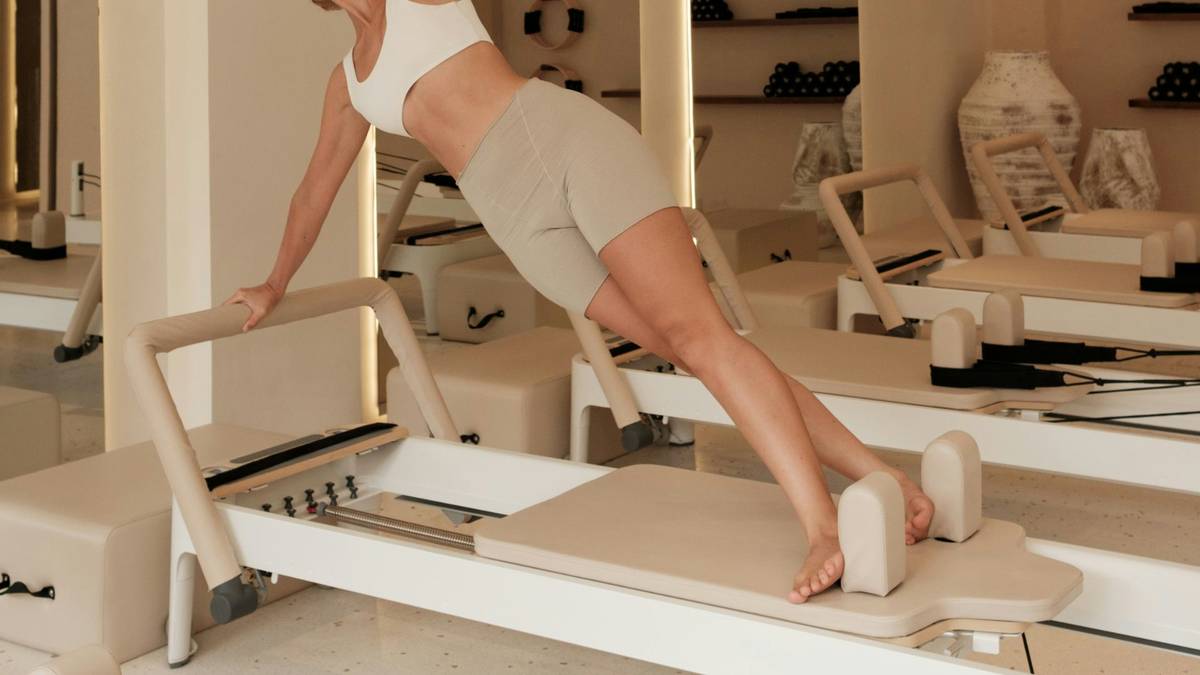
| Method | Time Required | Equipment | Neuromuscular Engagement |
|---|---|---|---|
| Traditional Crunches | 10–15 min | None | Low (isolated, superficial) |
| Weighted Core Machines | 20–30 min | Gym membership | Moderate (but often promotes spinal compression) |
| Pilates Enhanced Core Strength | 12–18 min | Mat only | High (integrated, deep stabilizers + breath synergy) |
The Industry Secret: It’s Not About “Engagement”—It’s About Release
Here’s what no instructor admits: over-gripping your abs kills core function. Many clients I’ve coached—especially former runners or CrossFitters—walk around with chronically clenched abs. That tension blocks diaphragmatic breathing and stiffens the lumbar spine. Real pilates enhanced core strength teaches you to release unnecessary tension so the right muscles fire at the right time. Counterintuitive? Maybe. But try this: lie down, place one hand on chest, one on belly. Breathe so only the belly hand rises. Now add the pelvic tilt. Feel how your deep core activates without force? That’s the signal your nervous system craves.
Frequently Asked Questions
How soon will I feel results from pilates enhanced core strength?
Most notice improved posture and reduced lower back fatigue within 10–14 days—if practicing 4x/week with strict form focus.
Can I combine this with weightlifting?
Absolutely. Perform these drills as a warm-up before lifting. It primes intra-abdominal pressure control—critical for safe heavy loads.
Do I need a reformer for real results?
No. Mat-based pilates with precise cues builds more functional core strength than reformer sessions done mindlessly.